
 By Clarence Larson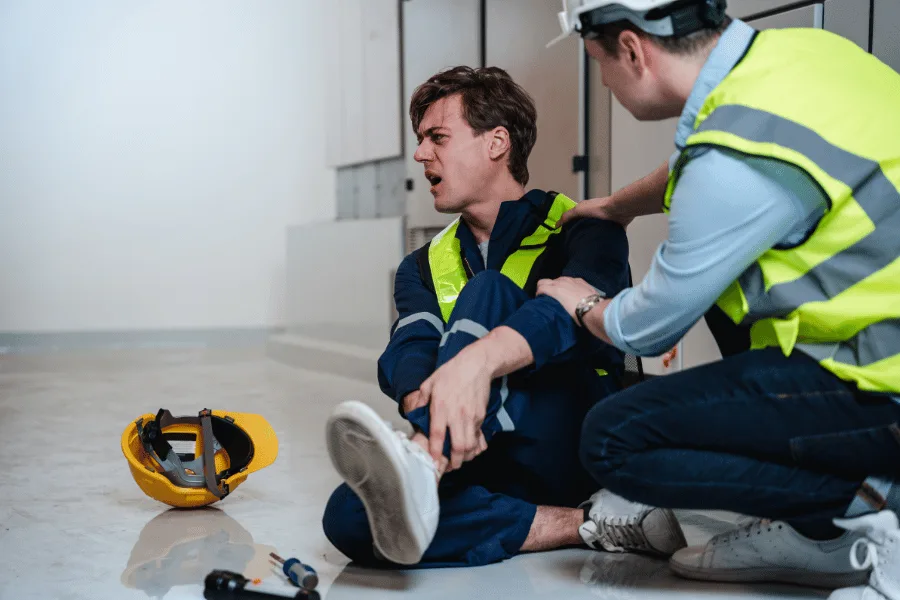
Construction sites are widely recognized as some of the most hazardous work environments. The combination of heavy machinery, elevated structures, electrical systems, and fast-paced activity creates significant risks for workers and others present at or near the site. Despite established safety regulations and industry standards, construction accidents continue to occur, often resulting in severe injuries or fatalities. Understanding the common causes of construction accidents and the legal responsibility associated with them is essential for protecting the rights of injured individuals.
The High-Risk Nature of Construction Work
Construction work involves constant exposure to potential dangers. Workers frequently operate at heights, handle heavy materials, and use complex equipment. Even small safety lapses can lead to serious consequences. In many cases, accidents occur not because of unavoidable risks, but due to preventable errors, lack of proper training, or failure to follow safety protocols.
When construction companies and responsible parties neglect safety obligations, injured workers and bystanders may have the right to pursue legal action. Construction accident law exists to ensure accountability and provide financial support to those harmed by unsafe practices.
Falls From Heights
Falls are among the leading causes of construction site injuries. Scaffolding collapses, unsecured ladders, roof work, and unprotected edges can result in devastating falls. These accidents often lead to serious injuries such as broken bones, spinal damage, traumatic brain injuries, or permanent disability.
Legal responsibility in fall accidents may lie with employers, site supervisors, or contractors who failed to provide proper fall protection, safety equipment, or training. Property owners may also be held liable if unsafe conditions were present and not addressed.
Falling Objects and Debris
Construction sites involve constant movement of tools, materials, and equipment. Objects falling from heights can strike workers or pedestrians, causing severe head injuries or fatalities. In many cases, these incidents occur due to improper storage of materials, lack of protective barriers, or failure to use safety helmets.
Liability for falling object accidents may involve contractors, subcontractors, or site managers responsible for maintaining a safe working environment. Identifying the source of the hazard is critical to determining legal responsibility.
Machinery and Equipment Accidents
Heavy machinery such as cranes, forklifts, excavators, and power tools are essential to construction projects but pose serious risks when improperly used or maintained. Equipment malfunctions, mechanical defects, or operator error can lead to crushing injuries, amputations, or electrocution.
Legal responsibility may extend beyond the employer to equipment manufacturers or maintenance providers if defective machinery or poor maintenance contributed to the accident. Product liability laws allow injured parties to seek compensation when faulty equipment plays a role in their injuries.
Electrical Hazards
Electrical accidents are a common and serious risk on construction sites. Exposed wiring, faulty electrical systems, and contact with power lines can result in severe burns, shocks, or fatal injuries. These accidents often occur due to inadequate safety planning or failure to follow electrical safety regulations.
Responsibility for electrical hazards may rest with contractors, subcontractors, or property owners who failed to ensure safe installation and maintenance of electrical systems. Proper investigation is essential to determine how the hazard occurred and who is legally responsible.
Unsafe Working Conditions and Lack of Training
Many construction accidents result from unsafe working conditions, including poor site organization, inadequate lighting, slippery surfaces, or lack of warning signs. Additionally, insufficient training or supervision can leave workers unprepared to handle hazardous tasks safely.
Employers have a legal duty to provide proper training, safety equipment, and supervision. When this duty is breached, injured workers may have grounds to pursue legal action beyond standard workers’ compensation benefits.
Multiple Parties and Shared Liability
Construction accident cases are often complex because multiple parties may be involved. A single site may include property owners, general contractors, subcontractors, suppliers, and equipment manufacturers. Each party may share responsibility for maintaining safety standards.
Determining liability requires a detailed investigation of contracts, safety policies, and the circumstances surrounding the accident. Identifying all responsible parties is essential to securing full compensation for injuries and losses.
Types of Compensation in Construction Accident Cases
Victims of construction accidents may be entitled to various forms of compensation. This may include medical expenses, rehabilitation costs, lost wages, reduced earning capacity, and compensation for pain and suffering. In cases involving permanent disability, long-term care and future medical needs may also be considered.
While workers’ compensation may provide limited benefits, it may not fully address the extent of losses. Third-party claims can offer additional compensation when negligence by an external party contributed to the accident.
The Role of Legal Representation
Construction accident claims involve complex legal and regulatory issues. Legal representation helps ensure that evidence is preserved, liability is accurately determined, and compensation is properly calculated. Attorneys work with safety experts, medical professionals, and investigators to build strong cases on behalf of injured clients.
How COMPUTER INJURY LAWYERS Assists Construction Accident Victims
At COMPUTER INJURY LAWYERS, we are committed to representing individuals injured in construction accidents with professionalism and determination. Our firm carefully examines every aspect of a case to identify responsible parties and pursue fair compensation. We understand the challenges construction accident victims face and provide strategic legal guidance throughout the process.
Conclusion
Construction accidents are often preventable and frequently caused by negligence or unsafe practices. Understanding the common causes and legal responsibilities empowers victims to protect their rights and seek justice. With experienced legal support, injured individuals can pursue accountability and financial recovery while focusing on healing and rebuilding their lives.